8 Small Dresser for Small Bedroom
“This post contains affiliate links. If you click and buy, we may earn a small commission at no extra cost to you. See our Affiliate Disclaimer for details.”
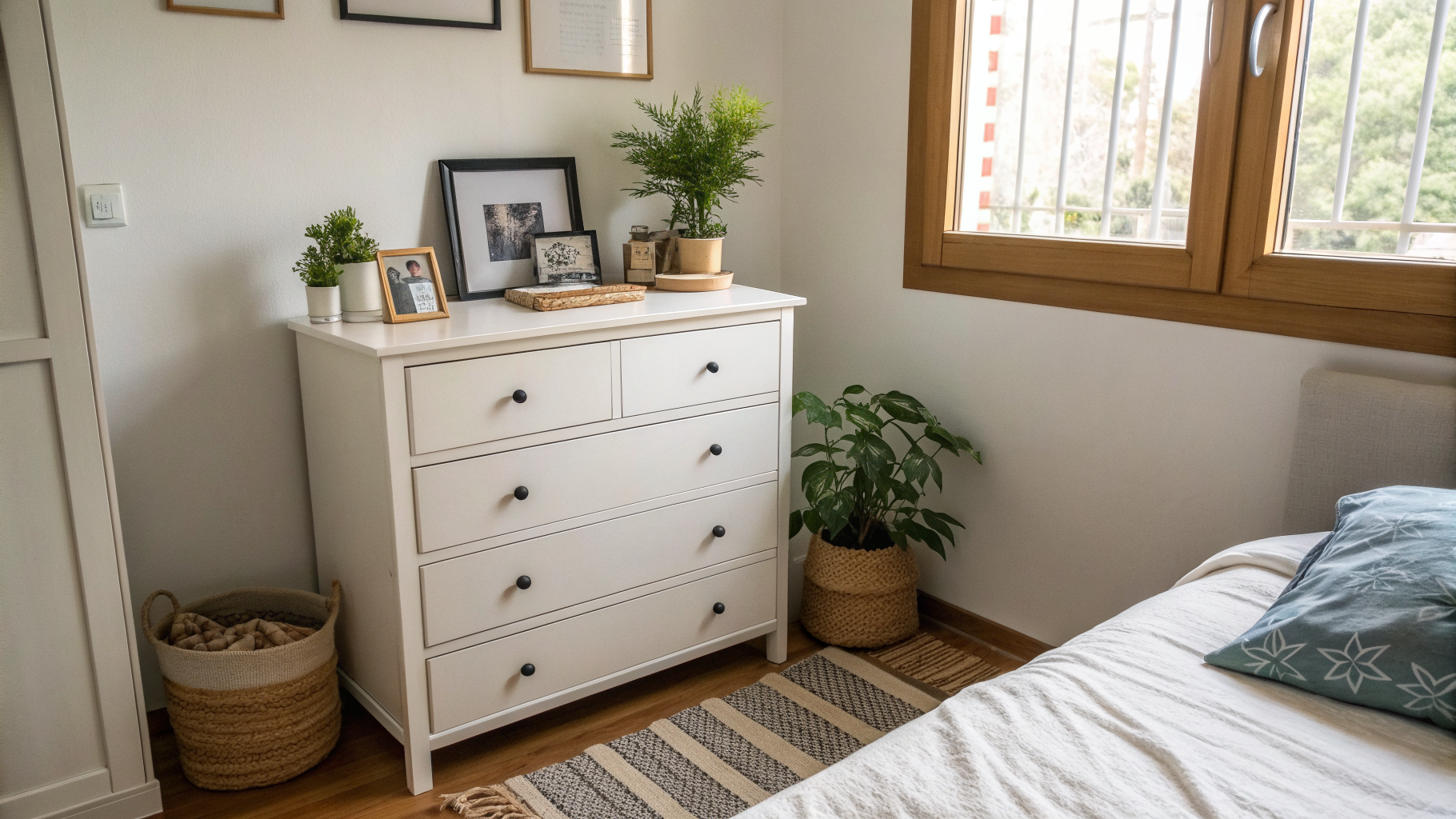
A tight bedroom can feel cluttered fast—especially when your clothes don’t have a dedicated home. The right small dresser for small bedroom solves two problems at once: it stores everyday essentials and frees up visual space so the room feels calmer and more open.
In this guide, I’m ranking eight Amazon-friendly dresser styles (from slim vertical towers to storage dressers that double as nightstands) so you can pick a size and layout that actually works in a small footprint—without sacrificing style.
Table of Contents
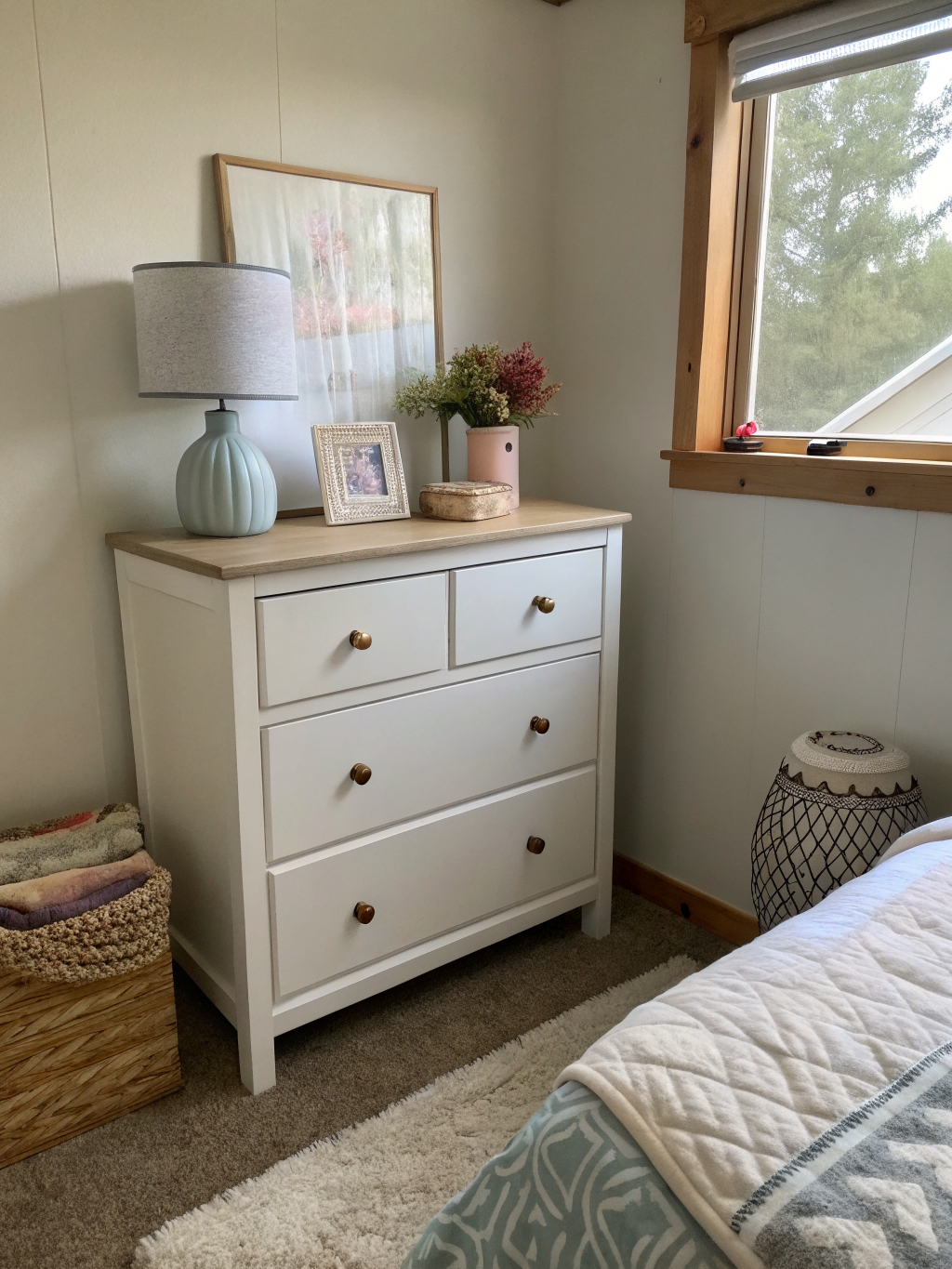
What’s trending for small-bedroom dressers in 2026 (and why it matters)
Small spaces are leaning into “quiet storage”: clean lines, hidden handles, lighter finishes, and multi-use tops (for lamps, trays, or a compact TV). The biggest shift is vertical storage—tall, narrow dressers that reclaim floor space while still holding a surprising amount of clothing.
When you’re shopping for a small dresser for a small bedroom, the best picks usually share three traits:
- Slim footprint (often 12–18″ deep)
- Efficient drawer layout (more shallow drawers = easier organization)
- Room-friendly height (tall enough to store, low enough to feel airy)
1) Tall 5–6 Drawer Vertical Chest (Amazon Rank #1)
A tall chest is the classic “small-room cheat code.” It uses height rather than floor area, so you get real clothing storage without choking walkways.
Why it works in a small bedroom
- Takes advantage of vertical wall space
- Keeps the room feeling open because the footprint stays narrow
- Drawers are typically sized for tees, loungewear, and folded items
Best for
- Studio apartments
- Small bedrooms with limited closet space
- Anyone who wants one main clothing zone
Pros
- Excellent storage capacity for its width
- Easy to place next to a closet or door wall
- Looks more “furniture-like” than plastic towers
Cons
- Can feel top-heavy if overloaded (anchor recommended)
- Top surface is smaller—use a tray to organize items
Sizing tip: Measure your clearance. You want at least 24–30 inches of walking space in front of drawers for comfortable use.
2) 3-Drawer Nightstand Dresser (Amazon Rank #2)
If your room can’t handle a full dresser, consider a compact nightstand-style unit. It’s the most realistic small dresser for small bedroom layouts where the bed dominates the footprint.
Why it works
- Adds storage exactly where clutter gathers (chargers, socks, skincare)
- Keeps your bedroom looking tidy because items stay hidden
- Doubles as a nightstand without needing an extra piece
Best for
- Couples sharing a small bedroom (one on each side)
- Minimal wardrobes
- Kids’ rooms and guest bedrooms
Pros
- Fits in tight bedside gaps
- Great “daily essentials” organization
- Usually quick to assemble
Cons
- Won’t replace a full dresser if you have lots of clothing
- Smaller top may require a wall sconce instead of a lamp
Style note: Light wood, white, or soft gray finishes visually “recede,” making the room feel larger.
3) Fabric Drawer Storage Tower (Amazon Rank #3)
Fabric drawer towers show up in small bedrooms for a reason: they’re light, compact, and renter-friendly. They also work well in closets.
Why it works
- Ultra-lightweight; easy to move during rearrangements
- Great for sorting categories (gym clothes, linens, accessories)
- Usually narrower than wood dressers
Best for
- Renters and students
- Closets that need extra drawers
- Temporary storage that still looks neat
Pros
- Budget-friendly way to add lots of drawers
- Often very slim depth
- Easy to carry up stairs
Cons
- Less “heirloom” durability than solid wood
- Fabric drawers can sag if overfilled
Organization win: Use drawer labels or a simple “zone system”:
- Top drawers: daily items
- Middle: workwear
- Bottom: bulky or seasonal
4) Slim Modern 4-Drawer Dresser (Amazon Rank #4)
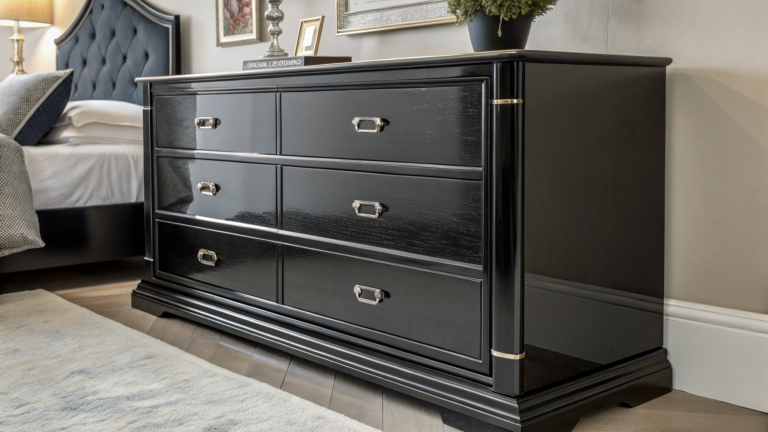
This is the dresser for people who want a cleaner, more designed look—but still need a small footprint. Many slim modern units have a shallow depth that’s friendlier in narrow bedrooms.
Why it works
- Shallow depth protects your walkway
- Often has smooth fronts that reduce visual noise
- Works under mirrors without crowding the wall
Best for
- Minimalist décor
- Narrow bedrooms with tight circulation space
- People who want a “grown-up” furniture feel
Pros
- Modern, clean styling
- Typically easier to keep looking tidy
- Good balance of storage and footprint
Cons
- Shallow drawers may not fit bulky sweaters
- Glossy finishes can show fingerprints
Practical tip: Use drawer dividers for socks/underwear so you don’t waste shallow space.
5) Corner Dresser / Angled Chest (Amazon Rank #5)
Corners are often dead space in small rooms. A corner-friendly dresser turns that wasted angle into functional storage—without sticking out into the room.
Why it works
- Uses awkward geometry that standard dressers can’t
- Helps you keep the main wall free for the bed or wardrobe
- Can visually “complete” an empty corner
Best for
- Bedrooms with odd door placement
- Rooms with radiators/windows that limit wall length
- Layouts where a standard dresser blocks traffic
Pros
- Great space efficiency when walls are limited
- Makes the room feel intentionally planned
- Often leaves more open floor down the center
Cons
- Fewer model choices than standard dressers
- Corner access can feel tighter—watch drawer clearance
Placement tip: Ensure drawers can open fully without hitting baseboards or trim.
6) Rolling Dresser Cart with Drawers (Amazon Rank #6)
For multipurpose bedrooms (home office + sleep space), a rolling drawer unit can be surprisingly smart. You can move it as your day changes.
Why it works
- Mobile storage adapts to small spaces
- Great for flexible layouts and cleaning days
- Can tuck into tight spots when not in use
Best for
- Bedrooms that double as office/vanity space
- People who frequently rearrange
- Craft and accessory storage
Pros
- Easy to reposition
- Works under desks or beside wardrobes
- Often includes mixed storage (drawers + shelves)
Cons
- Wheels can roll on uneven floors (choose locking casters)
- Usually smaller drawer volume than fixed dressers
Use-case idea: Roll it beside your bed at night (book, charger, hand cream), then tuck it under a desk in the morning.
7) Low, Narrow Wide Dresser (Compact 4–6 Drawer) (Amazon Rank #7)
Not every “wide dresser” is oversized. Some compact-width, low-profile models fit small bedrooms while giving you a bigger top surface for a mirror, art, or a small TV.
Why it works
- Lower height makes ceilings feel taller
- Wide top can replace extra surfaces (like a console table)
- Visually anchors a wall without towering over it
Best for
- Bedrooms where you want a mirror + landing zone
- Shared rooms (extra surface space helps)
- People who like folding clothing into wider drawers
Pros
- Top surface is genuinely useful
- Lower silhouette keeps the room airy
- Good for décor balance on a longer wall
Cons
- Can eat more wall length than you expect
- Needs careful measuring to avoid blocking doors
Styling tip: Hang a mirror above to pull attention upward and expand the feel of the room.
8) Dresser with Organizer-Top (Hidden Compartment or Tray Space) (Amazon Rank #8)
Some compact dressers include a jewelry tray, top organizer, or built-in compartment. In small bedrooms, “micro-organization” is a big deal—because tiny items create most of the visible mess.
Why it works
- Keeps daily grab-and-go items contained
- Reduces countertop clutter (which makes rooms feel smaller)
- Adds function without adding furniture pieces
Best for
- Accessories, skincare, watches, keys
- People who love a clean, hotel-like surface
- Anyone who’s tired of “junk piles”
Pros
- Helps maintain a tidy look
- Great for routines (morning/night)
- Often pairs well with minimalist styling
Cons
- Organizer space can reduce drawer height slightly
- Not necessary if you already use trays/dividers
Routine hack: Assign the organizer to 5–7 daily items only—anything else goes into drawers.
How to choose the right dresser size (small-bedroom math that actually helps)
Before you pick a small dresser for small bedroom living, measure three things:
- Available wall width
- Maximum depth you can tolerate (without blocking movement)
- Drawer clearance zone (how far drawers extend when open)
A good rule of thumb:
- Aim for 12–18″ depth in very tight rooms
- Leave 24″+ clearance in front for comfortable drawer access
- If the bed is close, choose a taller chest instead of wider
If you want an easy starting point, browse a curated roundup of options like a dresser for bedroom and then filter by depth and drawer count.
Common mistakes to avoid (they cost space fast)
- Buying too deep: Depth is the silent space-killer in small bedrooms.
- Ignoring drawer swing space: You might “fit” the dresser, but not be able to use it.
- Going too low on storage: A tiny unit can force clutter elsewhere (chair piles, floor baskets).
- Skipping wall anchoring: Tall pieces should be anchored for safety and stability.
Maintenance & longevity tips (so it stays solid and smooth)
- Tighten hardware after 2–4 weeks: Flat-pack furniture settles with use.
- Use drawer liners: Reduces friction and keeps interiors cleaner.
- Don’t overload the top: If you want a mini vanity, distribute weight with trays.
- Protect from humidity: Avoid placing dressers directly against damp exterior walls.
For fabric drawers:
- Vacuum lint occasionally
- Don’t overstuff—use a “one-finger gap” so drawers slide smoothly
Best option by use case (quick decision guide)
- Maximum storage, smallest footprint: Tall 5–6 drawer vertical chest (#1)
- Bedside storage in a tight room: 3-drawer nightstand dresser (#2)
- Renter-friendly and lightweight: Fabric drawer storage tower (#3)
- Modern look with shallow depth: Slim modern 4-drawer (#4)
- Strange layout with unused corners: Corner dresser (#5)
- Multi-use room that changes daily: Rolling cart (#6)
- Need a surface for mirror/TV without towering: Low compact wide dresser (#7)
- Clutter-prone daily essentials: Organizer-top dresser (#8)
FAQs
What size dresser is best for a small bedroom?
Look for a dresser that’s 12–18 inches deep and fits your wall width while leaving 24 inches or more for walking and drawer opening. Tall vertical chests are often the most space-efficient.
Is a tall dresser better than a wide dresser in a small room?
Often, yes. A tall dresser uses vertical space and preserves floor area. A compact wide dresser can still work if you need a larger top surface (mirror, décor, or a small TV).
How many drawers do I need if my closet is small?
If your closet is limited, aim for 5–6 drawers as a baseline for daily clothing. If the closet is decent, 3–4 drawers may be enough for essentials and overflow.
Where should I place a dresser in a small bedroom?
Best spots are:
- Along the wall opposite the bed (if clearance allows)
- Next to the closet for easy outfit building
- In an unused corner (corner-friendly designs help)
Avoid placing it where it blocks door swing or creates a narrow hallway.
What finish makes a small bedroom feel bigger?
Light finishes (white, light oak, warm beige) and low-contrast hardware tend to visually open the room. Matte surfaces also hide fingerprints and reduce visual “noise.”
Should I anchor a small dresser to the wall?
If it’s tall or will hold a TV/mirror, anchoring is a smart safety move—especially in homes with kids or pets.
A small bedroom doesn’t need less storage—it needs smarter storage. Choose a dresser shape that protects your walkways, matches your daily routine, and keeps the room visually calm, and you’ll feel the difference every time you walk in.