Best 10 Multifunctional Furniture for Small Spaces That Maximize Storage
“This post contains affiliate links. If you click and buy, we may earn a small commission at no extra cost to you. See our Affiliate Disclaimer for details.”
Small homes, studio apartments, and compact bedrooms can feel cluttered fast—mostly because everyday items don’t have a “home.” The quickest way to reclaim breathing room is choosing multifunctional furniture for small spaces that does double (or triple) duty: seating that stores, beds that lift, tables that expand, and desks that disappear when you’re done.
In this guide, you’ll find Amazon-friendly, storage-forward ideas that help you reduce visual mess while keeping essentials within reach—without making your room feel crowded.
Table of Contents
Why storage-first, multifunctional pieces are trending (and actually work)
Designers and renters alike are leaning into flexible layouts: one room often needs to be a living room, dining area, office, and guest space. The best multifunctional furniture solves the two biggest small-space problems:
- Limited square footage: one footprint, multiple uses
- Limited storage: hidden compartments reduce “open clutter” (the visual noise of stacks, bins, and piles)
What to prioritize before you buy
Use this quick checklist to avoid pieces that look clever but don’t fit your life:
- Measure twice: wall length, door swing, and walking paths (aim for 24–30 inches of clear walkway)
- Storage type: hidden (clean look) vs. open (easy access)
- Lift/hinge safety: soft-close hinges or gas-lift mechanisms where possible
- Weight capacity: especially for ottomans, wall desks, and Murphy beds
- Assembly reality: check tool requirements and time
Our 4 Top Amazon Picks (fast shortlist)
If you want the biggest storage impact per square foot, start with these four categories (all widely available on Amazon and commonly high-rated across brands):
- Lift-top coffee table with hidden storage
- Storage bed (lift-up or drawers)
- Entryway shoe-storage bench
- Wall-mounted drop-leaf desk
When browsing Amazon, look for listings that clearly show interior dimensions, hinge type, and real customer photos. For quick browsing, use this category hub: multifunctional furniture.
1) Storage Ottoman (Footrest + Coffee Table + Hidden Bin)
A storage ottoman is one of the easiest wins in multifunctional furniture for small spaces because it replaces at least two items: a footrest and a storage bin.
Why it works
- Stores throws, board games, remote controls, kids’ toys, or extra pillows
- Can double as a “soft” coffee table with a tray
- Moves easily when you need floor space
Best for
- Renters, families, and anyone fighting living-room clutter
Pros
- Flexible placement
- Great cost-to-storage ratio
Cons
- Some lids slam (choose soft-close if possible)
- Fabric can show wear in high-traffic homes
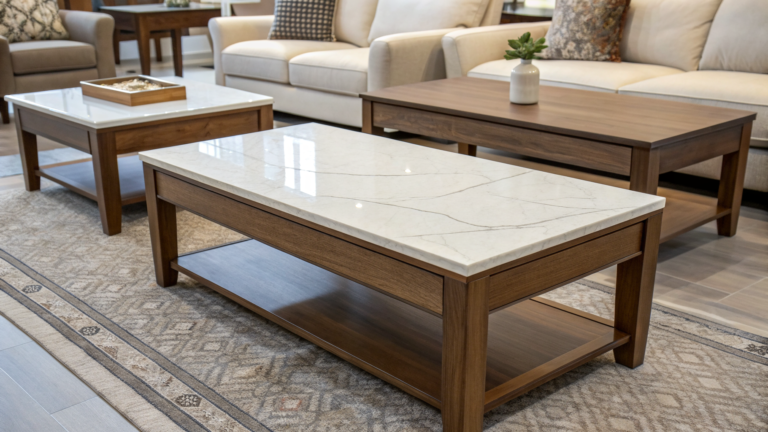
2) Lift-Top Coffee Table (Work Surface + Dining Surface + Storage)
A lift-top coffee table turns a living room into a mini office or dining spot—without adding a desk. This is classic multifunctional furniture for small spaces because it creates a usable surface at ergonomic height.
Why it works
- Hidden compartment keeps chargers, notebooks, and remotes out of sight
- Lift mechanism lets you eat/work without hunching over
- Some models include side drawers for smaller items
Best for
- Studio apartments and living rooms that serve as WFH zones
Pros
- Big impact in one piece
- Helps “reset” the room quickly
Cons
- Cheaper mechanisms can wobble
- Heavier to move than a standard coffee table
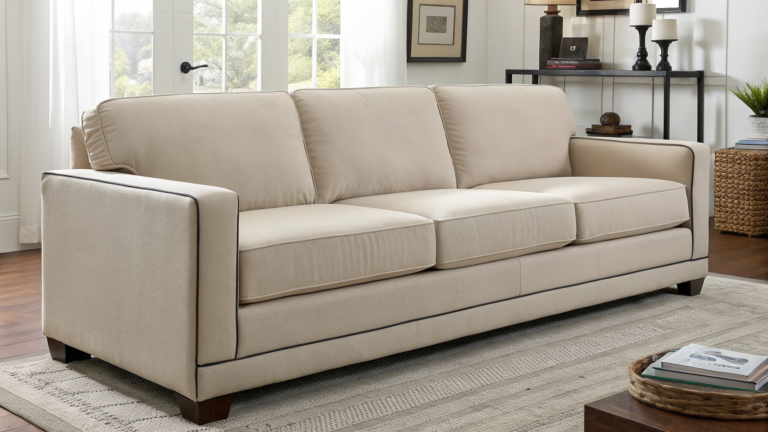
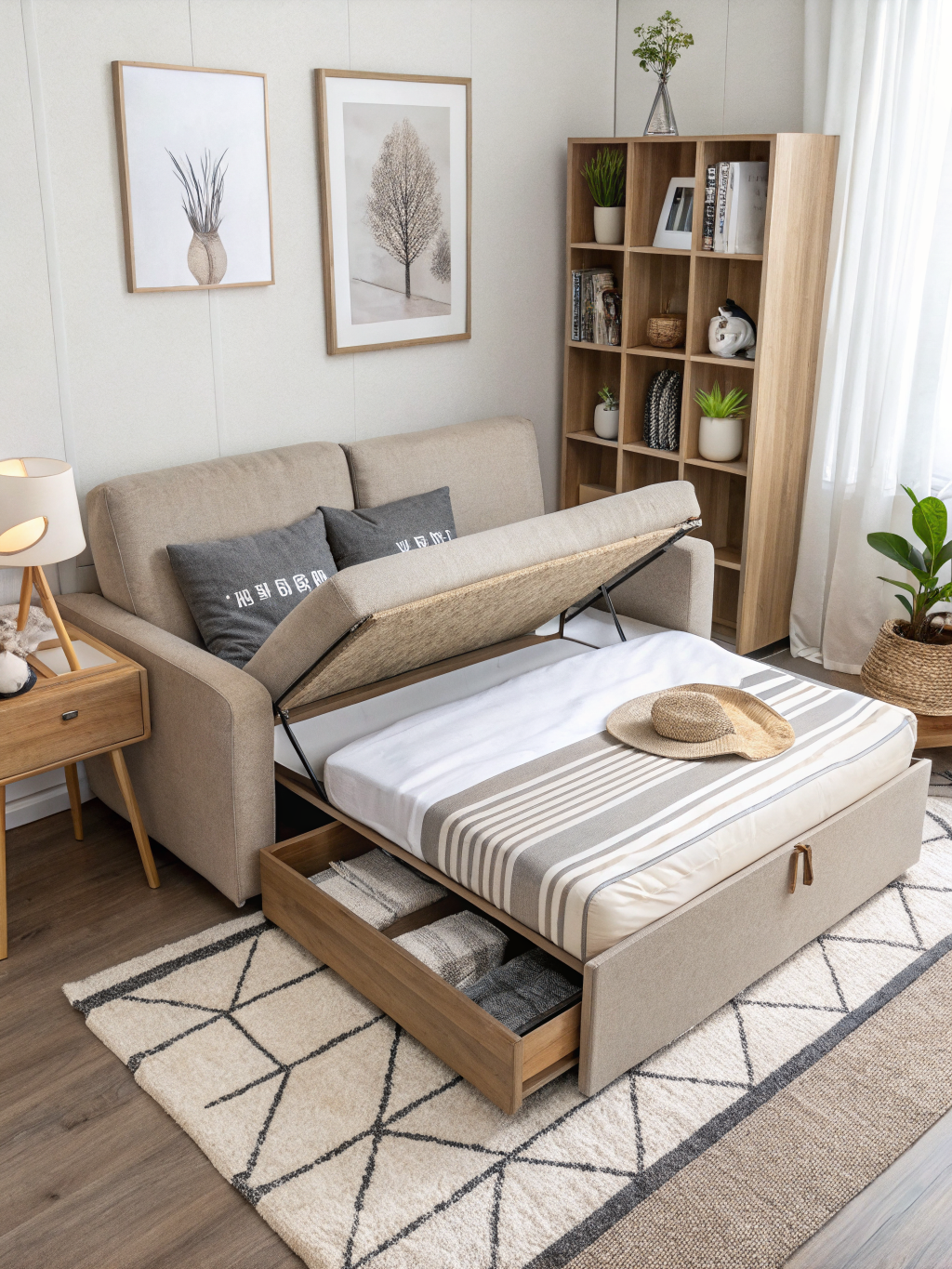
3) Sleeper Sofa with Storage (Couch + Guest Bed + Blanket Storage)
A sleeper sofa is a space-saver, but the versions with built-in storage are the real MVP for compact homes. It’s one of the most practical types of multifunctional furniture for small spaces because it avoids needing a separate guest bed and a separate storage trunk.
Why it works
- Stores spare bedding, pillows, or seasonal linens
- Lets you host overnight guests without a dedicated guest room
- Great for “one-room living”
Best for
- Studios, small living rooms, and multipurpose dens
Pros
- Highest function-per-footprint
- Keeps guest essentials together
Cons
- Mattress comfort varies widely
- Moving/assembly can be more complex
4) Murphy Bed with Shelving (Bed + Wall Unit + Floor Space)
Murphy beds are having a modern comeback—especially models that include shelves or cabinets. This is the definition of multifunctional furniture for small spaces because it returns valuable floor area during the day.
Why it works
- Creates a “day mode” and “night mode” for the same room
- Shelves can replace a nightstand or bookcase
- Makes studios feel significantly larger
Best for
- Studios, guest rooms, and home offices that need a real bed
Pros
- Massive space savings
- A cleaner, more open look during the day
Cons
- Must be properly wall-anchored
- Installation is more involved than typical furniture
5) Storage Bed (Lift-Up Platform or Drawer Bed)
If you’re short on closets, a storage bed often beats buying extra dressers. Under-bed storage can hold bulky items like comforters, luggage, or off-season clothing—exactly what multifunctional furniture for small spaces is meant to solve.
Why it works
- Uses “dead space” under the mattress
- Replaces plastic bins with integrated storage
- Great for minimizing visual clutter
Best for
- Bedrooms with limited closet space
Pros
- High storage capacity
- Streamlines the room (fewer extra furniture pieces)
Cons
- Drawer beds need side clearance
- Lift-up beds need airflow planning (avoid trapping moisture)
6) Expandable Dining Table (Compact Daily Size + Hosting Mode)
If your dining area is also your kitchen walkway or office corner, an expandable table helps you keep daily life comfortable and still host occasionally.
Why it works
- Small footprint most days
- Expands when guests come over
- Some designs store leaves inside the table
Best for
- Small kitchens, open-plan studios, and multipurpose living areas
Pros
- More seating only when you need it
- Cleaner flow in tight spaces
Cons
- Leaf storage can be awkward on some models
- Chairs still need a “home” (consider stackable chairs)
7) Nesting Tables (Side Tables + Flexible Layout + Easy Storage)
Nesting tables are underrated for small spaces: they can spread out when you’re entertaining and tuck away when you’re done.
Why it works
- Multiple surfaces without permanent clutter
- Easy to move around a sofa or bed
- Great alternative to oversized end tables
Best for
- Living rooms where you want flexibility, not bulky furniture
Pros
- Light and versatile
- Budget-friendly compared to large tables
Cons
- Not much hidden storage
- Height differences matter (check measurements)
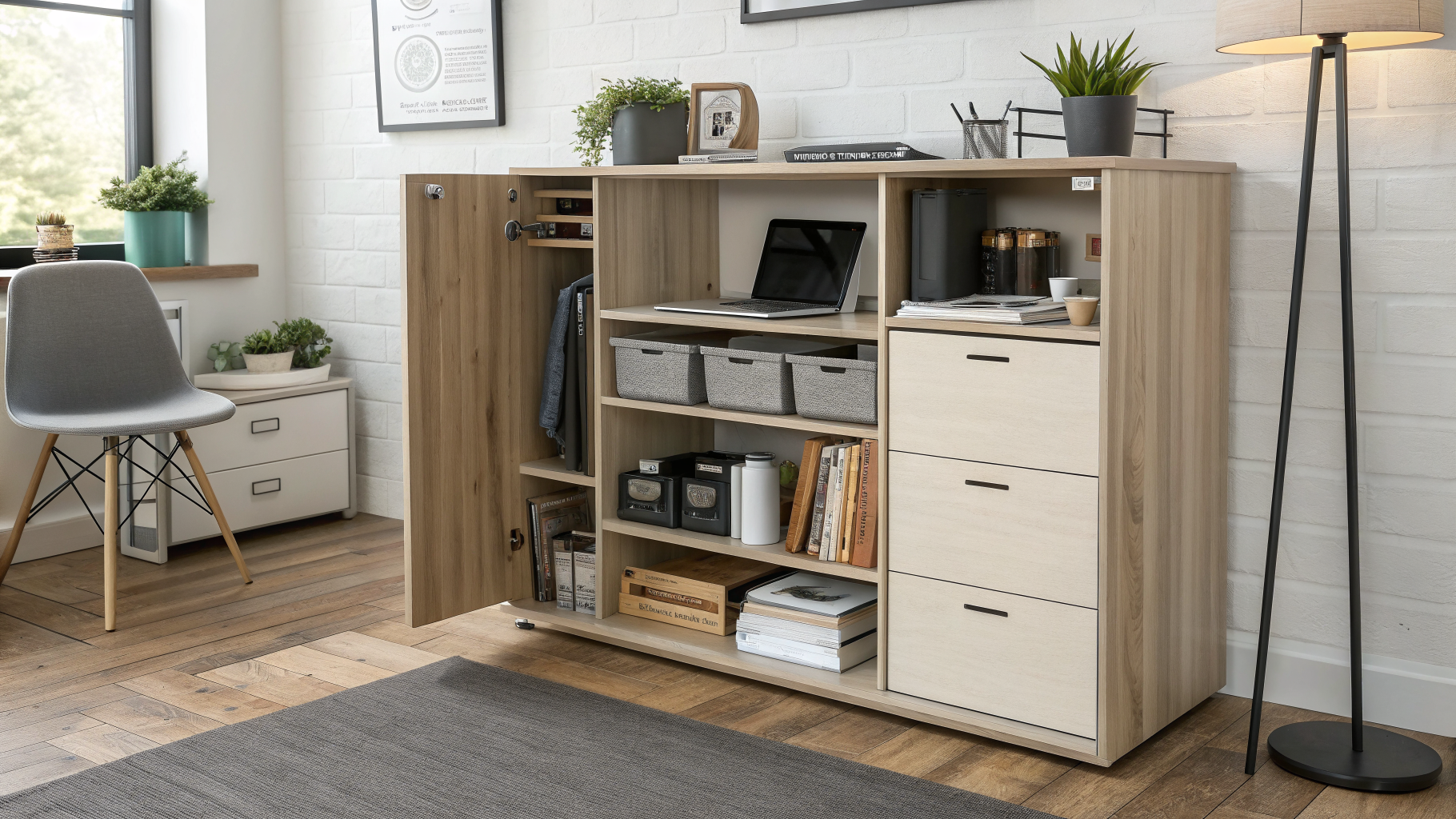
8) Wall-Mounted Drop-Leaf Desk (Workstation + Floating Shelf)
A fold-down desk is one of the most effective space solutions because it doesn’t take floor space when closed. This category is a standout in multifunctional furniture for small spaces for WFH and homework zones.
Why it works
- Folds flat to look like a shelf or cabinet
- Keeps cables and notebooks contained (many have cubbies)
- Helps create a “work boundary” in small homes
Best for
- Bedrooms, hallways, living rooms, and studios
Pros
- High space savings
- Encourages tidy habits (close it when you’re done)
Cons
- Must mount into studs or use proper anchors
- Limited monitor depth on smaller models
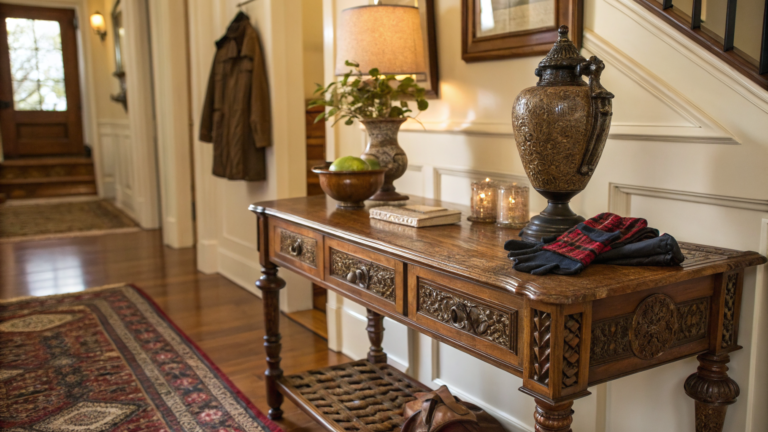
9) Entryway Bench with Shoe Storage (Seating + Organization Zone)
Entry clutter is sneaky: shoes, bags, and mail pile up fast. A storage bench creates a dedicated landing zone so mess doesn’t spread into the rest of your home.
Why it works
- Stores shoes, pet leashes, umbrellas, or hats
- Provides a seat for putting shoes on/off
- Makes your entry feel intentional (even if it’s just a corner)
Best for
- Apartments with no mudroom
Pros
- High everyday usefulness
- Instantly improves “first impression” of the home
Cons
- Depth can block narrow hallways
- Open cubbies show clutter unless you use baskets
10) Over-the-Toilet Storage Cabinet (Vertical Storage + Cleaner Counters)
Bathrooms are often the smallest room with the biggest storage needs. Over-the-toilet cabinets use vertical space for towels, toiletries, and extra paper goods without adding floor clutter.
Why it works
- Takes advantage of unused wall volume
- Helps clear sink and vanity counters
- Some models include both open shelving and closed doors
Best for
- Small bathrooms and guest baths
Pros
- Big organization boost with minimal footprint
- Great for shared bathrooms
Cons
- Needs moisture-resistant materials
- Measure toilet tank height and clearance carefully
How to choose the right piece (simple step-by-step)
- List your “clutter categories.” Examples: shoes, linens, paperwork, toys, pantry overflow.
- Match storage type to behavior.
- If you won’t fold neatly: choose closed storage (ottomans, cabinets).
- If you need quick access: choose open shelves or cubbies.
- Pick one anchor piece per room.
- Living room: lift-top coffee table or storage ottoman
- Bedroom: storage bed
- Entry: shoe bench
- Check clearances.
- Drawer beds: at least 18–24 inches on the drawer side
- Expandable tables: verify expanded length won’t block walkways
- Browse proven categories on Amazon. A good starting point is this curated portal for multifunctional furniture so you can compare sizes, materials, and reviews in one place.
Tips and common mistakes (what most people get wrong)
Tips that make small spaces feel bigger
- Choose legs over boxy bases when possible (visual lightness matters).
- Use one “storage hero” per zone instead of several tiny organizers.
- Go vertical: wall desks, tall shelving, over-toilet cabinets.
- Pick a consistent finish (oak tones, matte black, warm white) to reduce visual fragmentation.
Common mistakes to avoid
- Buying without measuring doorways and stairwells (not just the room).
- Choosing storage you can’t access easily (e.g., drawers blocked by a sofa).
- Overstuffing hidden compartments (harder to maintain and reduces usability).
- Ignoring weight limits for seating-storage pieces.
Maintenance & longevity advice (so it lasts)
- Hinges and lift mechanisms: tighten screws every 3–6 months; avoid slamming lids.
- Upholstered storage ottomans: vacuum weekly; spot clean immediately to prevent staining.
- Wood/laminate surfaces: use coasters; avoid harsh cleaners that dull finishes.
- Murphy beds and wall desks: re-check wall anchors annually, especially in humid climates.
- Drawer tracks: keep them clean; a quick dusting prevents sticking and misalignment.
FAQs: Multifunctional storage furniture for small homes
What is the best multifunctional furniture for small spaces if I only buy one item?
A storage bed (lift-up or drawers) is often the biggest storage gain because it replaces bins, reduces closet pressure, and doesn’t add extra furniture to the room.
Is lift-top furniture durable?
It can be—durability depends on the hinge/lift hardware and how evenly weight is distributed. Look for sturdy mechanisms and avoid placing heavy weight on one corner repeatedly.
How do I keep multifunctional furniture from looking cluttered?
Choose pieces with closed storage and commit to a quick nightly reset: everything goes into its compartment. Closed storage is the fastest way to reduce visual noise.
Are Murphy beds safe in rentals?
Many models require secure anchoring. If drilling isn’t allowed, consider alternatives like a sleeper sofa with storage, a daybed with drawers, or a storage bed in a separate sleeping nook.
What should I look for on Amazon reviews?
Focus on: interior storage dimensions, photos showing real scale, notes about hinge quality, and assembly experiences. Start broad by browsing multifunctional furniture, then narrow by your room measurements.
How do I choose between a storage ottoman and a storage coffee table?
- Choose an ottoman if you need flexible seating and soft edges (kids/pets).
- Choose a lift-top coffee table if you want a stable work/eat surface and more structured organization.
If you’re building a calmer home with less clutter, start with one high-impact category—then layer in a second piece only if it replaces something you already own. That’s the real secret behind multifunctional furniture for small spaces: fewer items overall, but each one works harder.